Due to the diverse nature of the forty reporting PST ART projects, a range of approaches were taken when engaging in the CIP. These case studies have been included to demonstrate the variety of ways in which project teams made the CIP their own. Each case study is based on presentations from a Show & Tell community event in October 2024 for all PST ART partners hosted by Hauser & Wirth gallery. The full Climate Impact Report completed by each of these Case Study organizations is available as a downloadable PDF in the Appendices section of this report.
1
Climate Engagement Driven by Community
Collaboration
“The Armory’s exhibition team realized an organic alignment between the Climate Impact Program, departmental operations, and organizational values. The program also ignited opportunities to rally our community through programming and production to be more aligned with environmental and climate justice.”
Exhibition:
From the Ground Up: Nurturing Diversity in Hostile
Environments
PST ART Partner: Armory Center for the
Arts
Presented by Danielle Hill, exhibitions manager
At the Armory Center for the Arts in Pasadena, the Climate Impact Program offered an opportunity to expand on existing commitments to sustainability and deepen community engagement. The exhibition From the Ground Up: Nurturing Diversity in Hostile Environments explored the intersection of environmental consciousness, collective action, and cultural programming. Recognizing a strong alignment between the program’s goals and the Armory’s longstanding practices as a midsize community arts center, staff focused on amplifying their environmental efforts through community collaboration. Already known for resourcefulness and material reuse, the Armory used the Climate Impact Program to further activate their community through hands-on projects and collaborative partnerships.
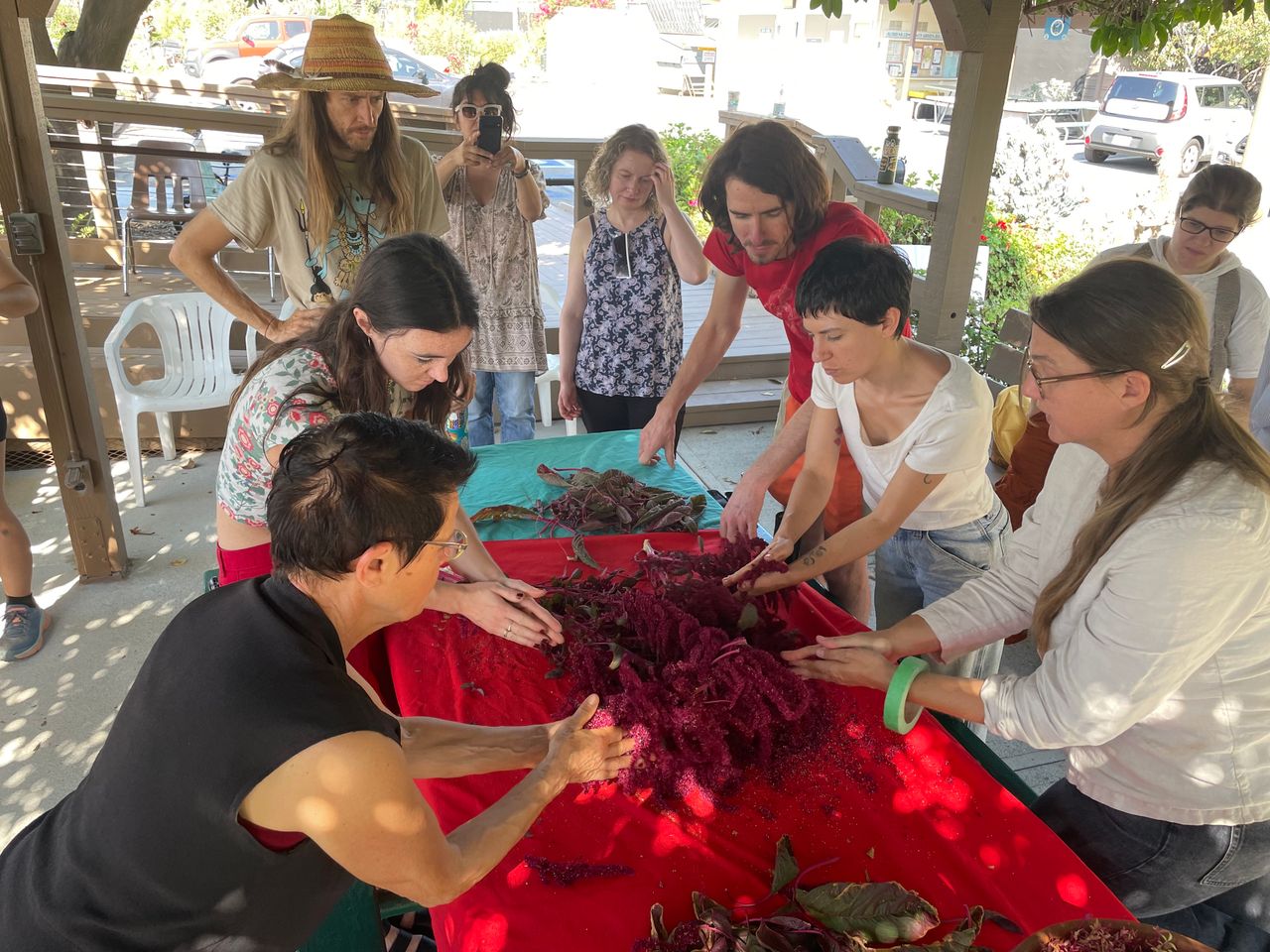
The exhibition was inspired by seeds that sprout after a fire season to explore questions of community resilience, and one standout example of this involved a front yard amaranth garden planted by the collective Seed Travels. This living installation was transformed into an interactive experience where local residents were invited to harvest the crop. The Armory then partnered with Altadena Community Garden to host a cooking event featuring the harvested amaranth—highlighting themes of food sovereignty, sustainability, and shared stewardship of land and resources.
Other public programming for the exhibition highlighted climate justice activists, local organizations, and scientists to share their expertise. One example of this was a film screening spotlighting Black environmental justice coalitions in the US, supported by the Climate Justice Alliance Black Caucus. The event featured directors discussing grassroots environmental initiatives, offering the public insight into climate justice through a localized lens.
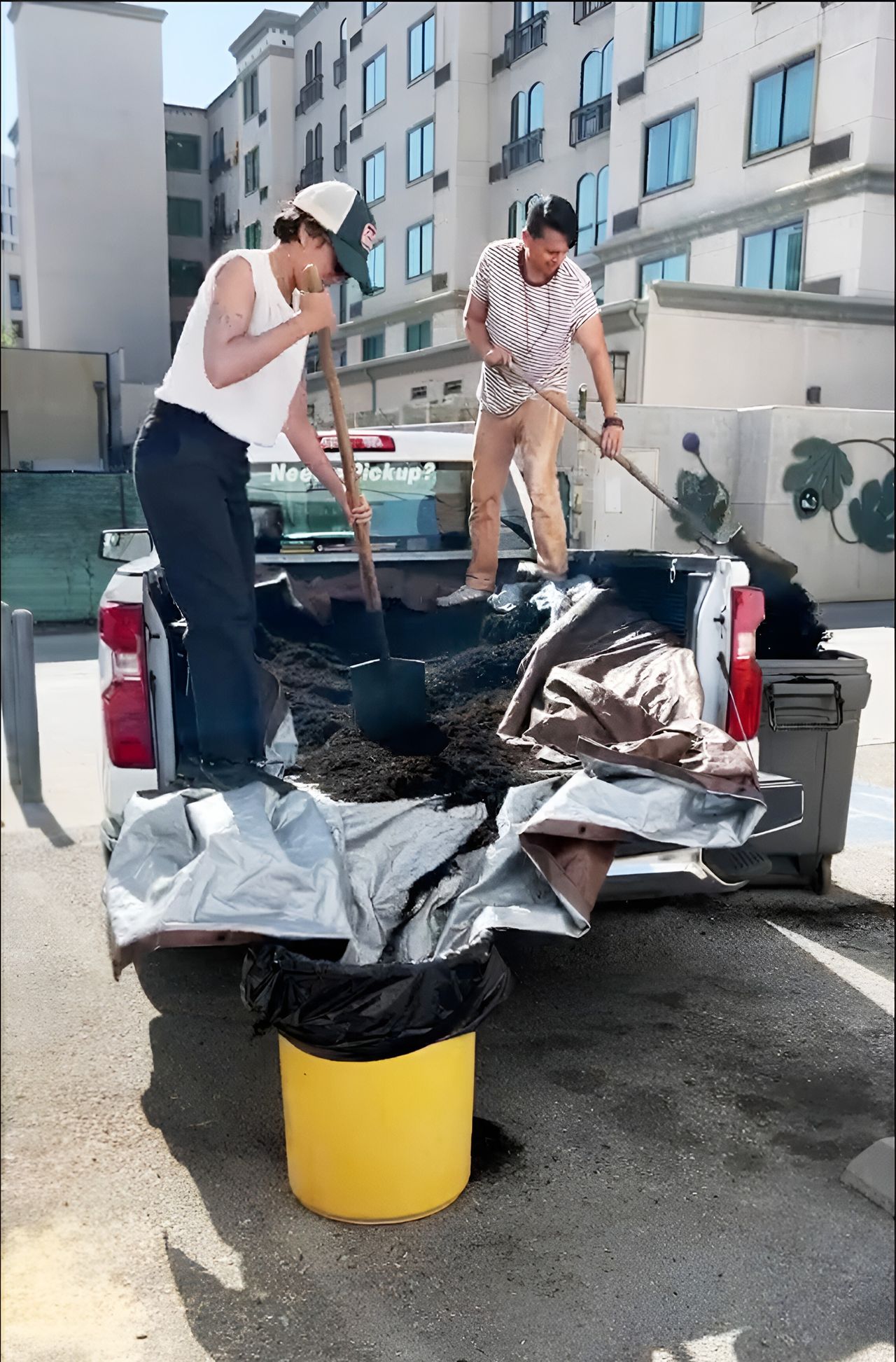
Exhibition production also embraced sustainable practices through collaboration. The exhibition production team met with exhibiting artists to decide how to display work with low waste impact, finding solutions like reusing furniture and sourcing material locally. Some of the resulting solutions included trash bins used to store soil in the exhibition that were later donated to El Sereno Community Garden, and surplus soil shared with a local resident to support a backyard garden. The team used community networks and resources, like “Buy Nothing,” to source exhibition materials from local communities, as well as donating material after use. This encouraged relationships, supported community stakeholders and minimized material transit. The project noted that these efforts to reduce waste also saved money.
Through the Climate Impact Program, the Armory team reaffirmed their commitment to climate justice in a way that felt authentic to their mission—centering community engagement, resource sharing, and inclusive environmental education.
Additional Participation Highlights:
-
Exhibition was initially inspired after a series of fires in the foothills of the Angeles National Forest impacting 230,000 people and raising questions about community resiliency after disaster.
-
Reused furniture and display material from past exhibitions.
-
Identified local community shops to source soil, wood, and plants.
-
Hosted a DIY air filter workshop led by the USC Environmental Justice Research Lab.
-
Received donated cardboard from Merge Frames to build artwork shipping boxes, diverting the material away from landfill in the process.
-
Added climate justice to the institution’s Cultural Equity and Inclusion plan.
2 Bizot Green Protocol Pilot
“Breath(e) provided a valuable forum to discuss the environmental impact of our exhibitions program and led to meaningful changes at the Hammer, most notably the decision to apply the BIZOT Green Protocol gallery climate standards for our exhibitions going forward.”
Exhibition:
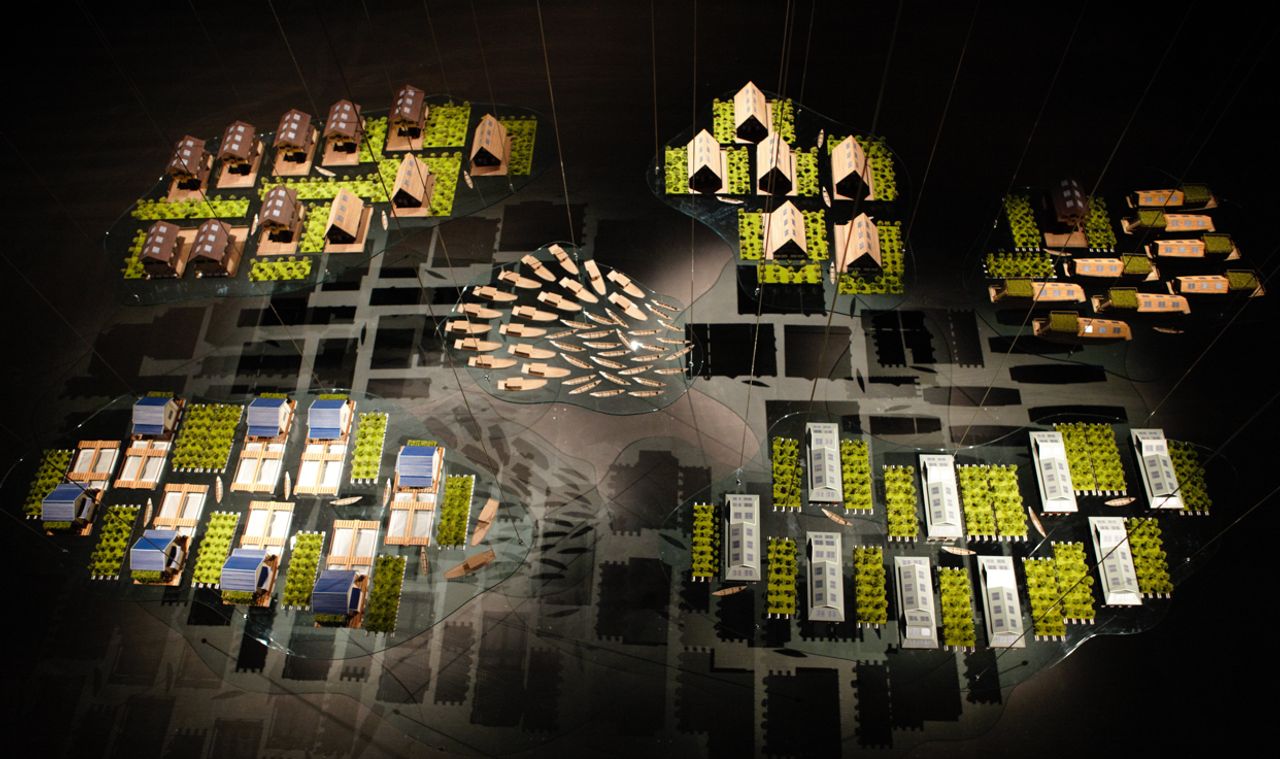
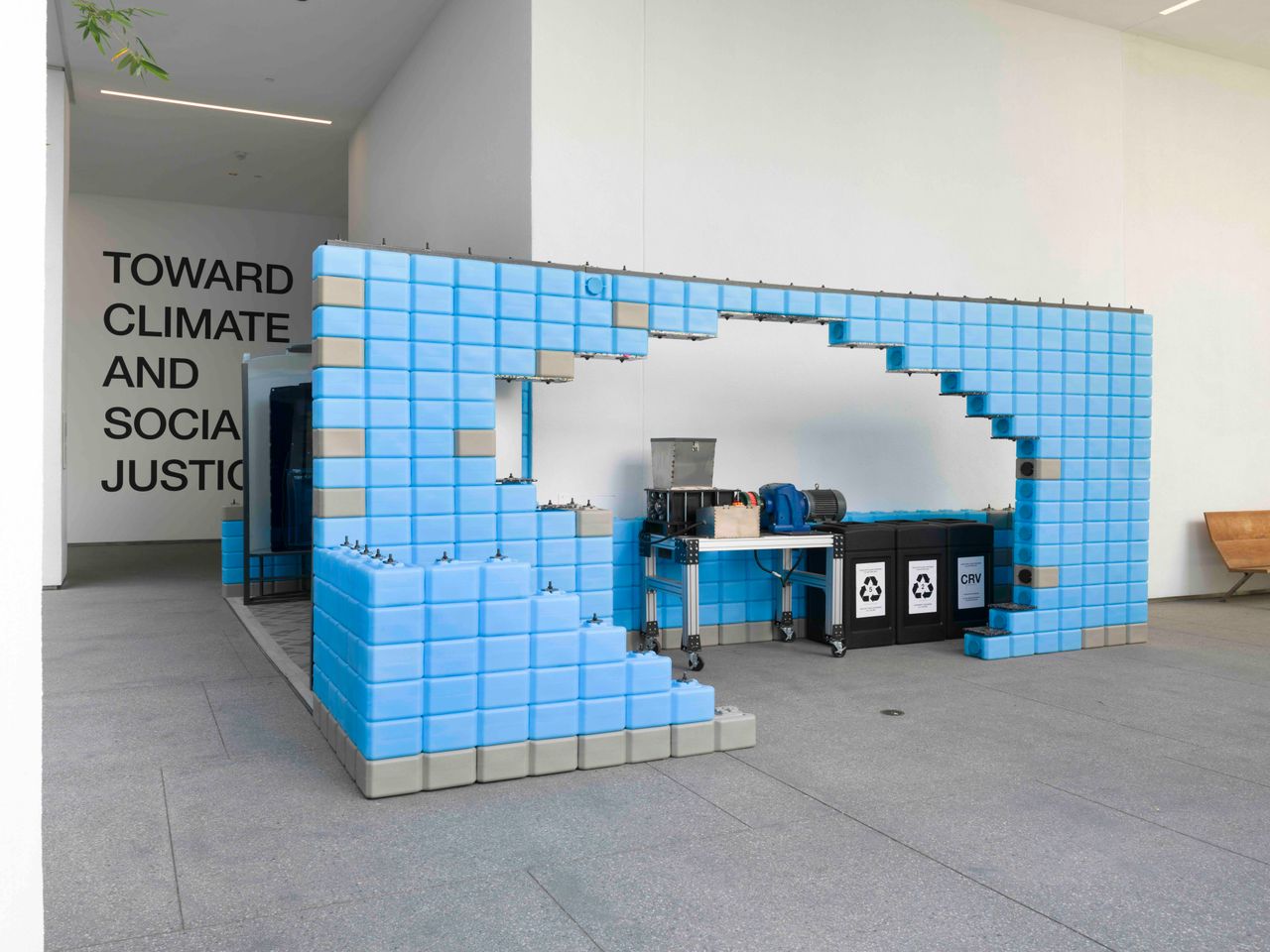
Breath(e): Toward Climate and Social Justice
Partner: Hammer Museum
Presented by Michael Nock, director of exhibitions and
publications management
The Hammer Museum team prioritized making intentional decisions aimed at reducing the environmental impact of the exhibition early in the planning process. As a result, it became apparent that the gallery’s climate control settings were likely the most significant contributor to the show’s carbon footprint. In consultation with the facilities team, it was determined that it would be theoretically feasible to expand the typical climate parameters maintained in the galleries—specifically the allowable ranges for temperature and relative humidity. Consequently, when issuing loan agreements, the team was able to add a clause requesting approval from lenders to adopt these expanded conditions. In seeking an appropriate benchmark for this shift, the team referred to the Bizot Green Protocols.
All lenders, including major institutions and fellow CIP participants such as The Huntington, agreed to these expanded parameters despite the deviation from traditional standards. As a result, all galleries at the Hammer operated under these revised conditions for the duration of PST ART.
The precise energy savings from this adjustment were not yet known at the time of publication, but the team is optimistic about the outcomes. Notably, this process demonstrated the feasibility of adopting expanded climate parameters. Based on this success, the Hammer committed to applying the Bizot Green Protocols to all future exhibitions and to its own collection moving forward. As a result of incorporating these standards into the initial loan agreements, both future touring venues for the exhibition will be able to implement Bizot Green Protocol conditions at their institutions as well.
Additional Participation Highlights:
-
The Hammer made sustainable catalog production choices in collaboration with the graphic design studio Polymode.
-
They engaged artists and climate justice advocates throughout the project.
-
The team wove climate action into all aspects of the exhibition, including workshops, lectures, screenings, and other programmatic engagement.
-
They extended CIP work to vendor engagement with art transporters, caterers, and catalog printers, among others.
3
Community Engagement as a Core Sustainability
Practice
“The highlight of the experience was the collaboration and discussions among team members, which allowed us to reflect on how Self Help Graphics’s programming practices align with the organization’s values and to explore ways to implement meaningful changes.”
Exhibition:
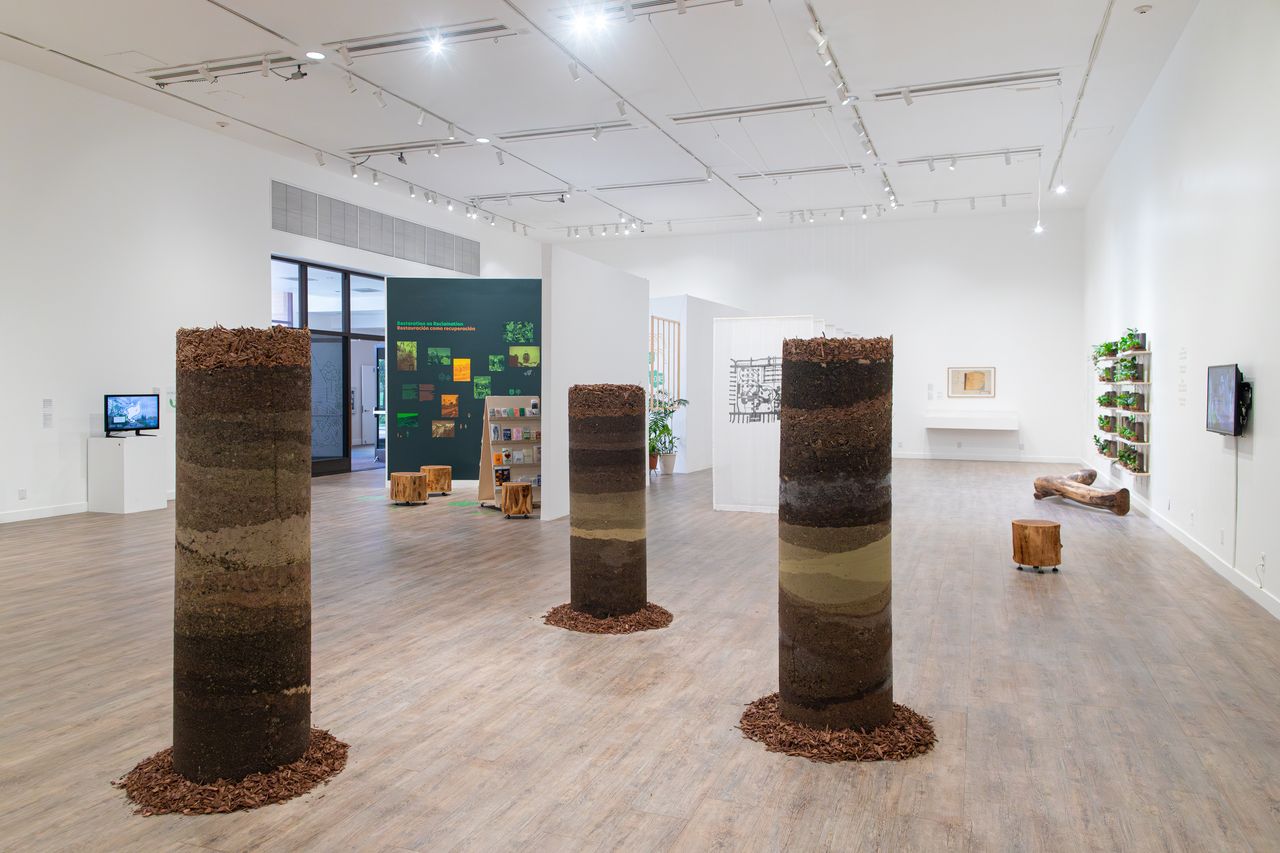
Sinks: Places We Call Home
Partner: Self Help Graphics &
Art
Presented by Marvella Muro, Former Director of Artistic,
Curatorial and Education Programs, and Nanci Ochoa,
Facility and Operations Manager
Sustainable choices have long been a core practice at Self Help Graphics & Art, driven in large part by the organization’s limited financial resources. This constraint has fostered a culture of resourcefulness and circularity. Much of the material used in Self Help Graphics’s community workshops is sourced through upcycling and community donations. The organization frequently evaluates what is possible based on the materials available at hand, often requiring negotiation and adaptability. This longstanding practice reflects a deep-rooted commitment to maximizing available resources and giving back to the community. When donations exceed the organization’s needs, materials are redistributed to community members, artists, and organizations, fostering a reciprocal relationship rooted in mutual support and sustainability.
For the Climate Impact Program, Self Help Graphics decided to document the carbon footprint of their community engagement work. This involved tracking car travel to and from community partners sites in Willowbrook and Southeast LA to gather mineral zeolites on the border of California and Nevada. As the community engagement element of this program required consistently showing up over three years, it necessitated a certain carbon and material impact that the team wanted to better understand. Despite limited staff capacity, they were able to host weekly check-ins to stay on track, and the gathered data will enable them to better illustrate the necessary and demanding work that community engagement requires.
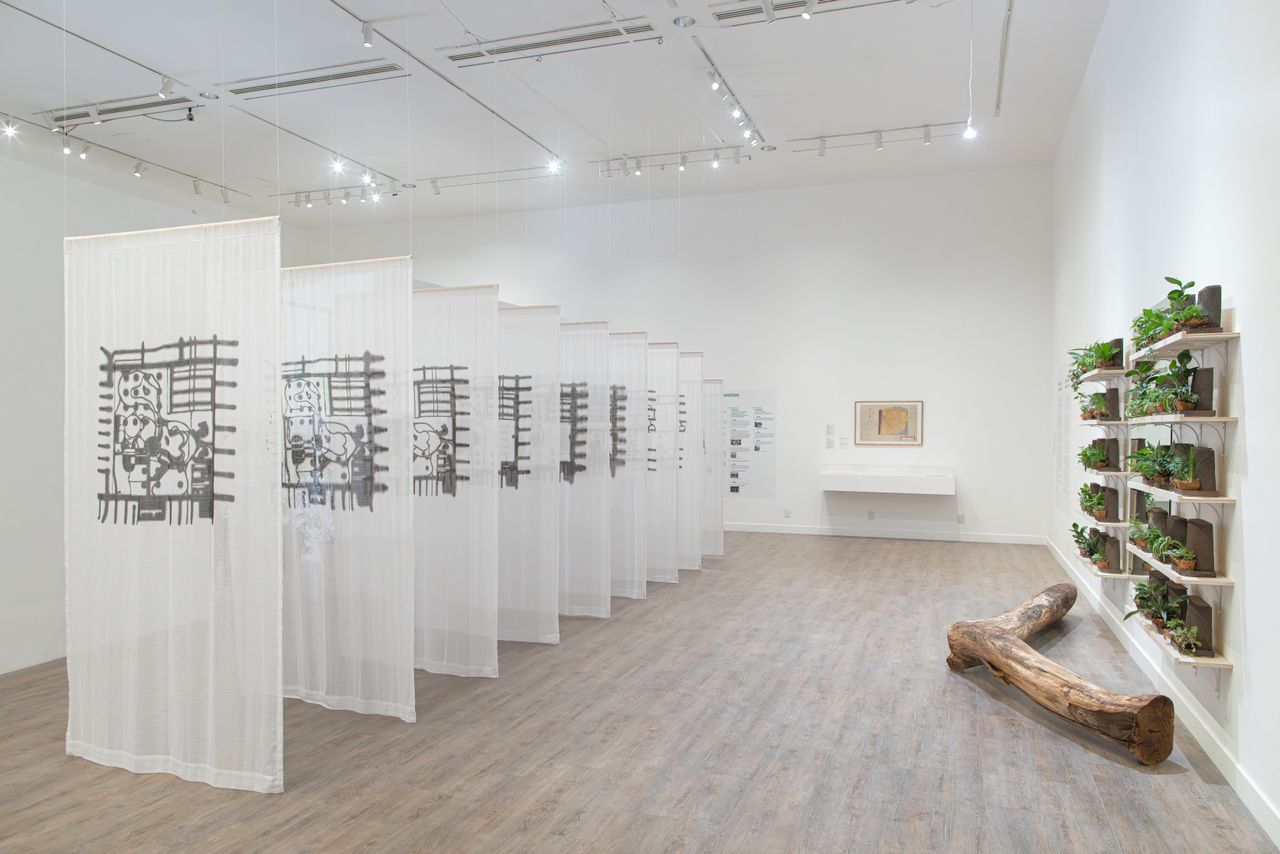
The physical installation presented in the exhibition involved collaboration with independent, community-based businesses. One of the exhibition’s central features is a set of three large-scale pillars composed of natural materials such as soil, zeolites, and mulch, which reflect a commitment to ecological integration. After the exhibition, these pillars were installed on a nearby park site with contaminated soil, where the natural materials used in the installation will engage organically with the environment. Each pillar carries a word—“Home,” “Madre,” and “Life”—and will serve as a permanent public art installation at its new location.
Additional Participation Highlights:
-
Self Help Graphics worked with a sustainable tree farm that supplied wood for cabinets and vitrines. Additional materials, such as stools and a prominent wooden branch, were borrowed from Angel City Lumber, an organization that repurposes fallen trees from across Los Angeles County and maintains a database documenting the origin and history of each piece.
-
Additional vitrines were donated by partner organizations, and fabricated walls were repurposed from a previous exhibition at the Luckman Fine Arts Complex.
-
Curators initially envisioned a different layout, but they adapted plans just weeks before the opening to reuse an existing wall structure.
4
Reimagining Standard Exhibition Practices
“The Climate Impact Program was the reason we started to look at the Huntington’s sustainability in temporary exhibitions, and moving forward, we’re going to be using a lot of what we learned in this exhibition for temporary exhibitions in the larger gallery space.”
Exhibition:
Storm Cloud: Picturing the Origins of Our Climate
Crisis
Partner: The Huntington Library, Art
Museum, and Botanical Gardens
Presented by Kristen Anthony, Assistant Curator
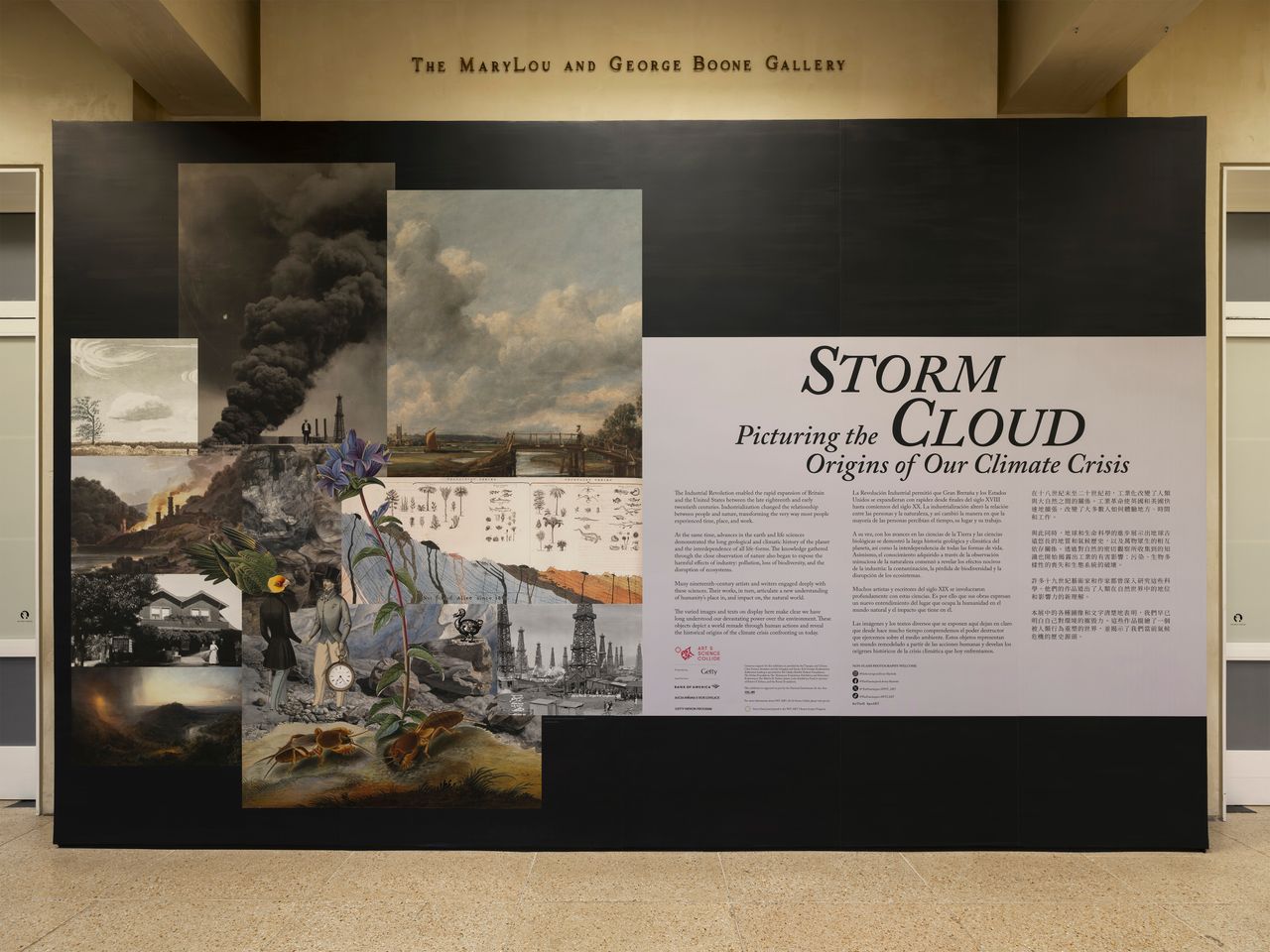
The Huntington’s participation in the CIP served as a catalyst for reexamining the institution’s sustainability practices in relation to temporary exhibitions. Their newly adopted institutional strategic plan had recently incorporated environmentally conscious exhibitions as a key endeavor. As this exhibition’s subject matter dealt directly with the climate crisis, the curatorial and design team were primed to embrace the challenge to develop the exhibition in alignment with environmentally responsible practices with enthusiasm and collaboration. The CIP provided a framework and support system that allowed the team to meaningfully identify, implement, and assess a variety of sustainable strategies, many of which are now being considered for adoption as institutional standards.
A core recommendation made at the first CIP educational webinar was to assemble a “green team”—a cross-departmental group that included representatives from exhibitions, marketing, education, visitor services, and membership. In response, each department working on the exhibition appointed at least one staff member to participate in meetings dedicated to assessing the sustainability of temporary exhibitions. This collaborative effort led to a number of impactful changes. As a lasting outcome of this work, The Huntington has established an internal green team, which now operates as a sustainability-focused employee resource group. This group will serve as a platform for interdepartmental knowledge sharing and coordination, with the goal of embedding sustainable practices across all aspects of institutional operations.
Key Changes:
-
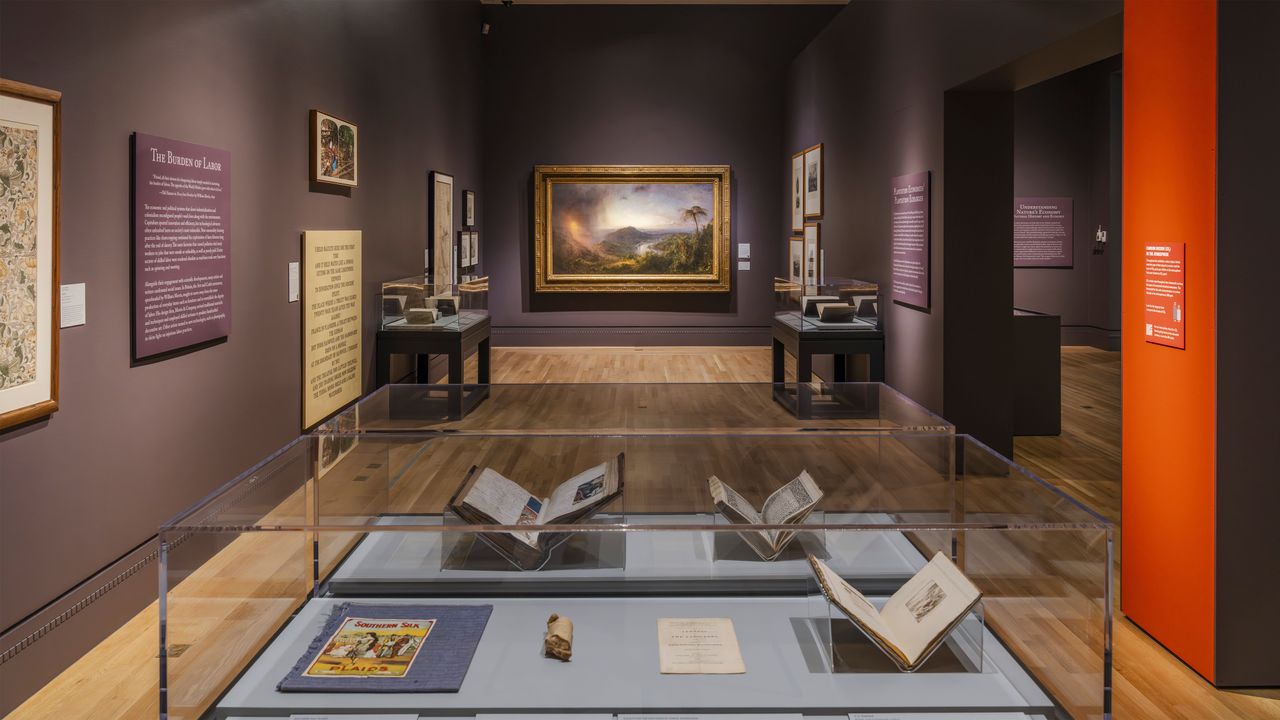
For the first time, The Huntington opted to eliminate the use of drywall in favor of reusable plywood panels for temporary walls. The exclusion of drywall means walls are now reusable, preventing the need to send materials to landfill post-exhibition. The plywood walls have already been reused for at least five shows and are now a new temporary wall consideration for the institution. While these walls were more expensive for the first show, the overall cost per use has proven to be significantly lower.
-
In order to minimize air travel emissions, the curatorial team did not request loans from institutions with rigid courier requirements. Additionally, registrars streamlined shipping by narrowing the geographic scope of loan requests and bundling loans accordingly.
-
A broader institutional reflection emerged around the idea of recalibrating expectations for perfection. Teams questioned whether reprinting materials for minor imperfections was necessary and embraced a more forgiving, resource-conscious mindset. These adjustments often went unnoticed by audiences, and responses were overwhelmingly positive when they were explicitly pointed out.
-
Exhibition cases and frames from past shows were repurposed to fit current display needs. This included adapting existing display cases that were purpose-built to house entirely different objects, creating a mindset of flexible reuse.
-
The education department reallocated funding typically reserved for printed materials to support a browsing library with literature on climate change and mitigation strategies. The library also featured a prominent statement on the institution’s participation in the Climate Impact Program, and has remained on-site as a staff resource after the exhibition closed.
5
Sustainable Exhibition Build Choices
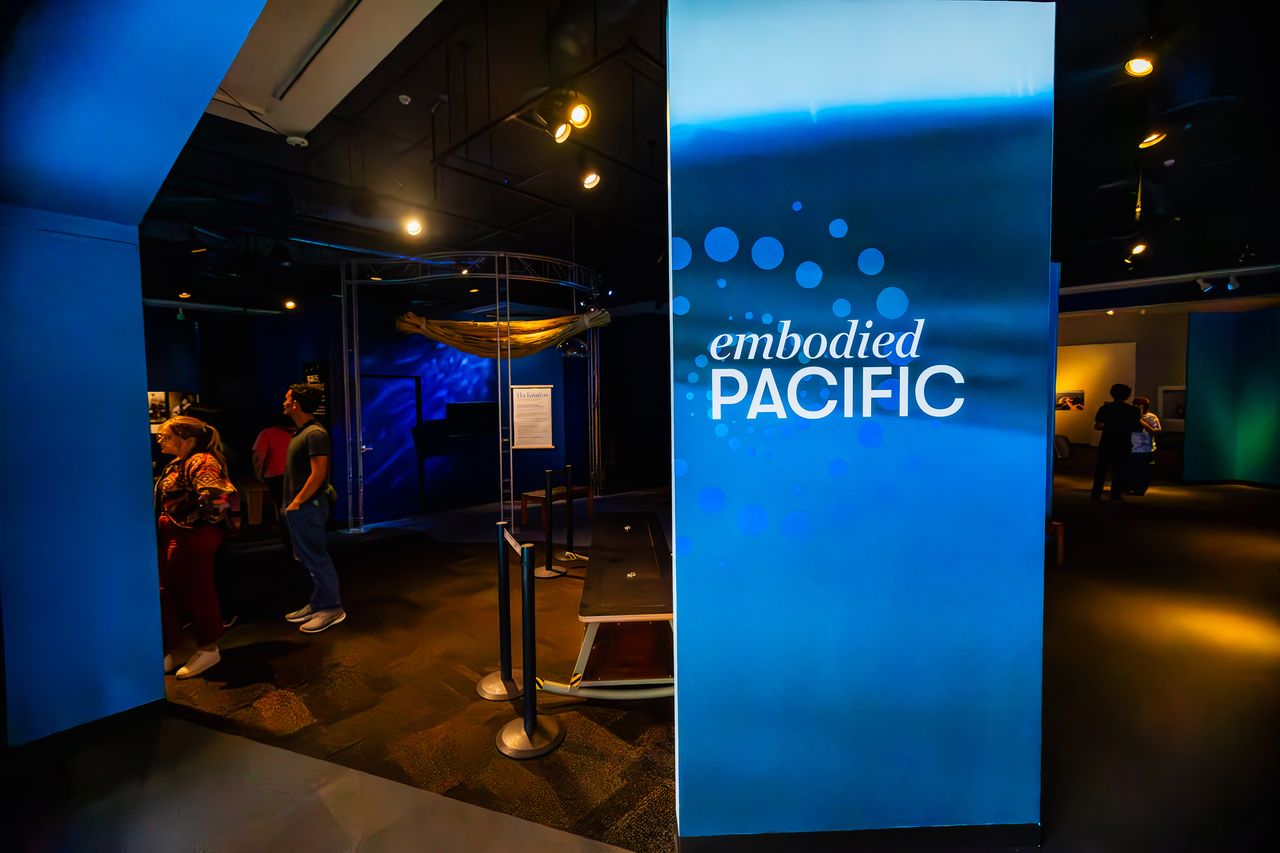
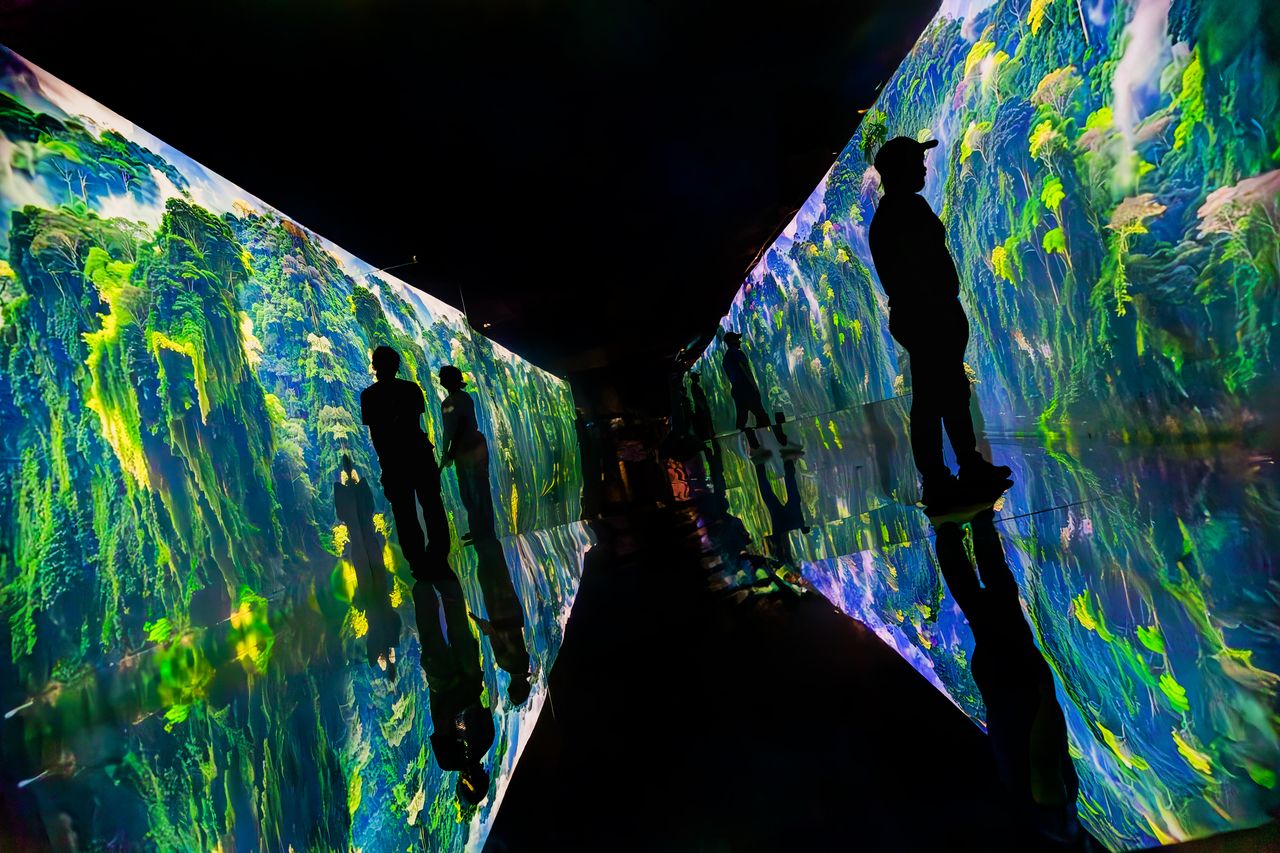
“Ultimately, the Climate Impact Program taught us that prioritizing sustainability isn’t just about materials—it’s about changing mindsets, fostering flexibility, and embracing innovation to make meaningful, lasting impact.”
Exhibition: Embodied Pacific
Partner: University of California, San
Diego and Birch Aquarium at Scripps
Presented by Megan Dickerson, Curator, and Tina Mau,
Manager of Exhibit Development
Embodied Pacific incorporated a range of sustainable practices, reflecting the institution’s long-standing commitment to environmental responsibility in exhibition design and production. The curator and manager of exhibition development collaborated closely to question and reimagine many of their standard exhibition build practices. As a result, the team transitioned away from using PVC-based adhesive graphics. Instead, they sourced non-PVC sustainable wall coverings, which were applied using cornstarch-based wallpaper paste—a more environmentally friendly alternative. Exhibit headers were hand-painted directly onto surfaces by staff artists. Curatorial text was printed on thick paper, mounted to the wall with screwed in furring strips that can be recycled or reused. Other wall graphics were projected digitally, reducing reliance on printed materials.
The team reported that this process taught them valuable new skills. For example, they learned new projector software and worked with CNC machines used for high precious cutting, drilling, milling, and shaping materials. They recognized that sustainability challenged them to think creatively, breaking from “how it’s always been done” to explore innovative solutions. Collaborating with artists also brought fresh perspectives.
Additional Participation Highlights:
-
About 75% of the exhibition production utilized existing inventory, including a modular wall system originally purchased over 20 years ago that allows for a completely new layout with minimal additional materials. Another wall was entirely rebuilt from material saved from a previous exhibition, and lumber from other previously demolished walls were used to build new plinths.
-
Designs were made to be modular and either easily disassembled or intended to be permanent, like reusable benches and headset mounts.
-
12 out of 16 artists in the show lived locally in San Diego, reducing the need for long distance travel and artwork shipping.
-
As a result, costs were significantly reduced.
-
A distinctive aspect of the program was its student engagement. The majority of the exhibition production and installation staff were undergraduate students, typically from diverse academic backgrounds including theater, visual arts, and biology. Their involvement not only supported professional development but also strengthened the institution’s capacity for innovation around environmentally conscious practices.
6
Student Engagement to Build Sustainable Networks
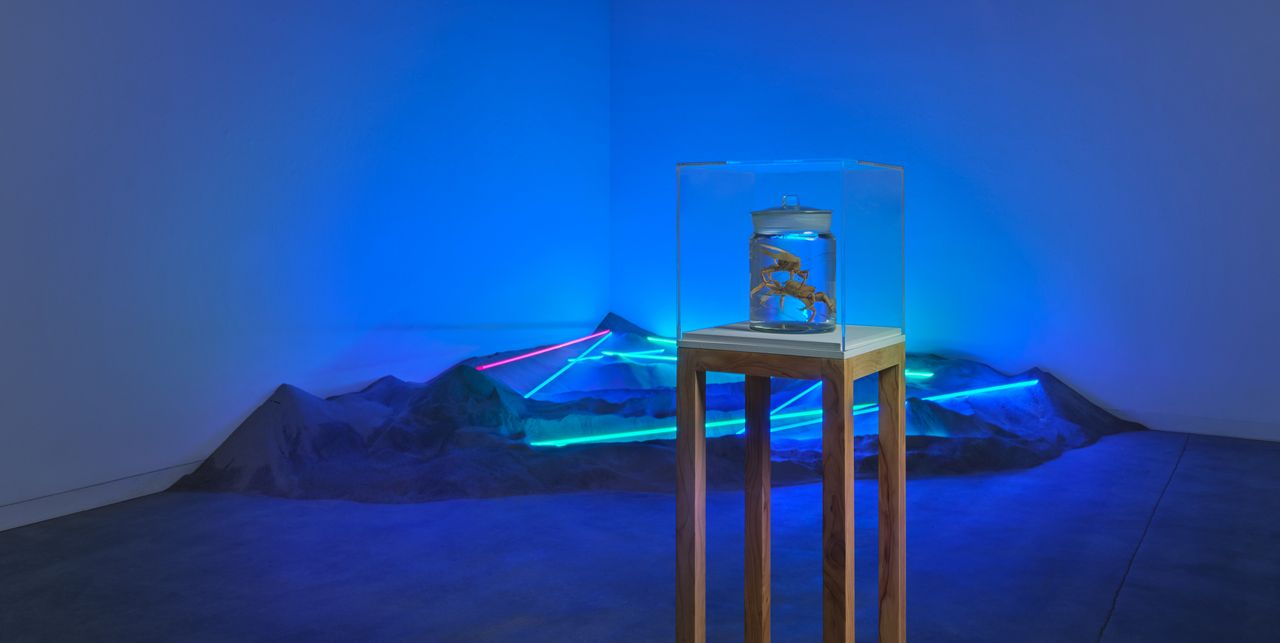
“Brackish Water Los Angeles developed through a collaborative process guided by two extraordinary student cohorts. It asked questions rather than offered answers, connecting history, the natural world, and the possibilities of a collective future.”
Exhibition:
Brackish Water Los Angeles
Partner: California State University,
Dominguez Hills
Presented by Michelle Santos, Project Manager
Student engagement was a central pillar of Brackish Water Los Angeles from its inception, so students also participated in all of the project activities related to climate action and sustainability. Over two semesters, the project codirectors led an interdisciplinary undergraduate course in tandem with exhibition research and development. This process engaged multiple campus schools and integrated students into the project as co-researchers and local experts. These efforts broke down departmental silos, involving a broad range of campus units and fostering collaboration across disciplines. Outreach was conducted through grassroots methods, with faculty personally visiting departments to invite participation—an approach that resulted in enthusiastic involvement from a wide spectrum of academic areas.
The exhibition team offered educational tours to diverse student groups, ranging from high school students to graduate cohorts from institutions such as the University of Utah and California State University, Fullerton. These tours included classes focused on science, women’s studies, education, and first-year experience programs, significantly expanding the reach of the project beyond the gallery space.
The team engaged local community partners, such as East Yard Communities for Environmental Justice and Sacred Places Institute, in both advisory and participatory roles. A Community Day event, supported by LA Promise Fund, featured free transportation and lunch for local attendees and included a VIP tour for local environmental justice groups, a workshop led by CSUDH’s biochar research group, and a film screening by local Indigenous filmmakers.
Additional Participation Highlights:
-
The project team applied for and received a materials stipend microgrant of $1500 from Artists Commit to create plinths using reclaimed wood purchased from Angel City Lumber. While this wood sourced from already fallen trees was more expensive, it also led to a “skeleton plinth” design that avoided plywood, reduced overall material use, and became a standout of the exhibition.
-
Plastic innertubes used in exhibition were distributed to artists for material reuse.
-
Approximately 6,500 pounds of sand used in the installation was repurposed for the university’s Child Development Center, supporting early education environments—an embodiment of the guiding principle that “students deserve nice things.”
7
Curatorial Choices Informing Sustainable Exhibition
Design
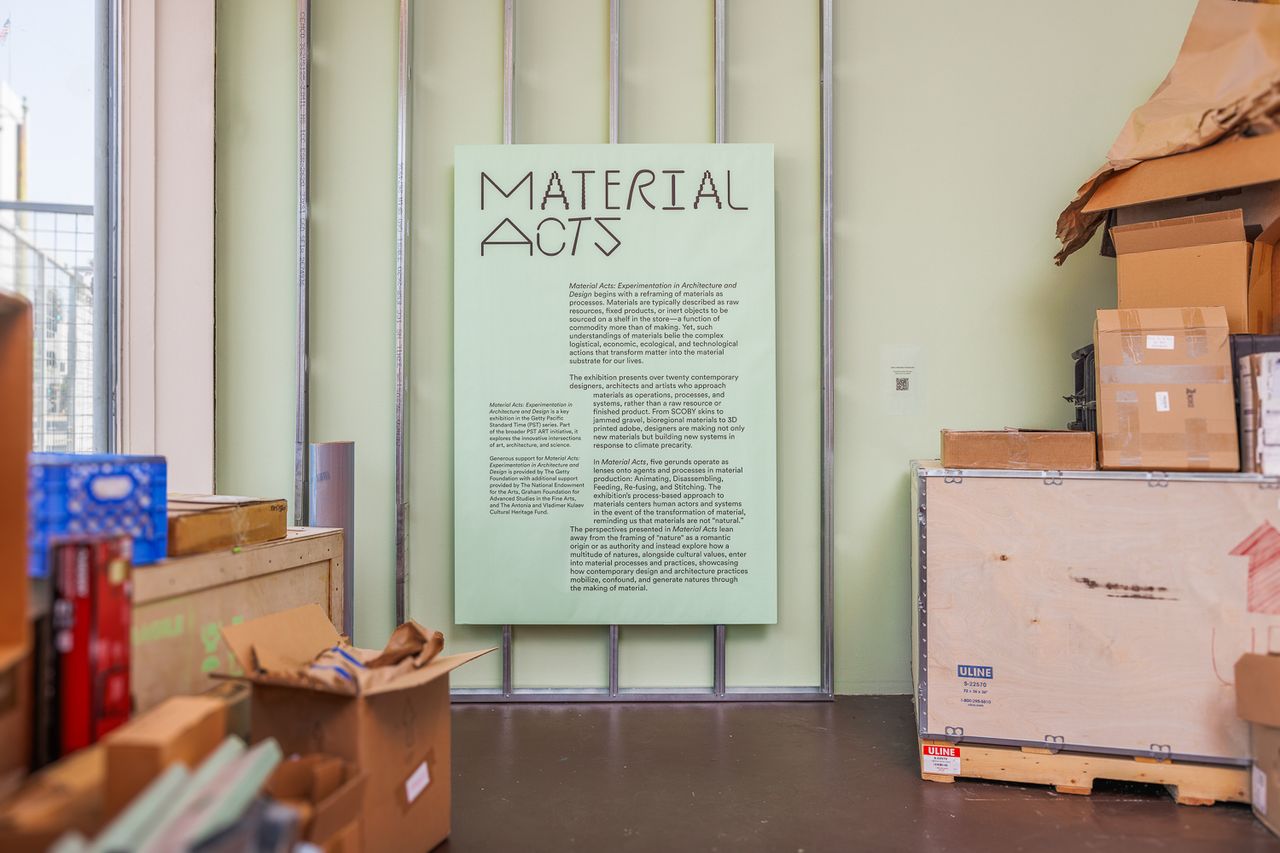
“Tracking everything is impossible, but doing what you can makes a difference. And when we all do a little bit, it adds up to a lot.”
Exhibition:
Material Acts: Experimentation in Architecture and
Design
Partner: Craft Contemporary
Presented by Kate Yeh Chiu, Guest Curator
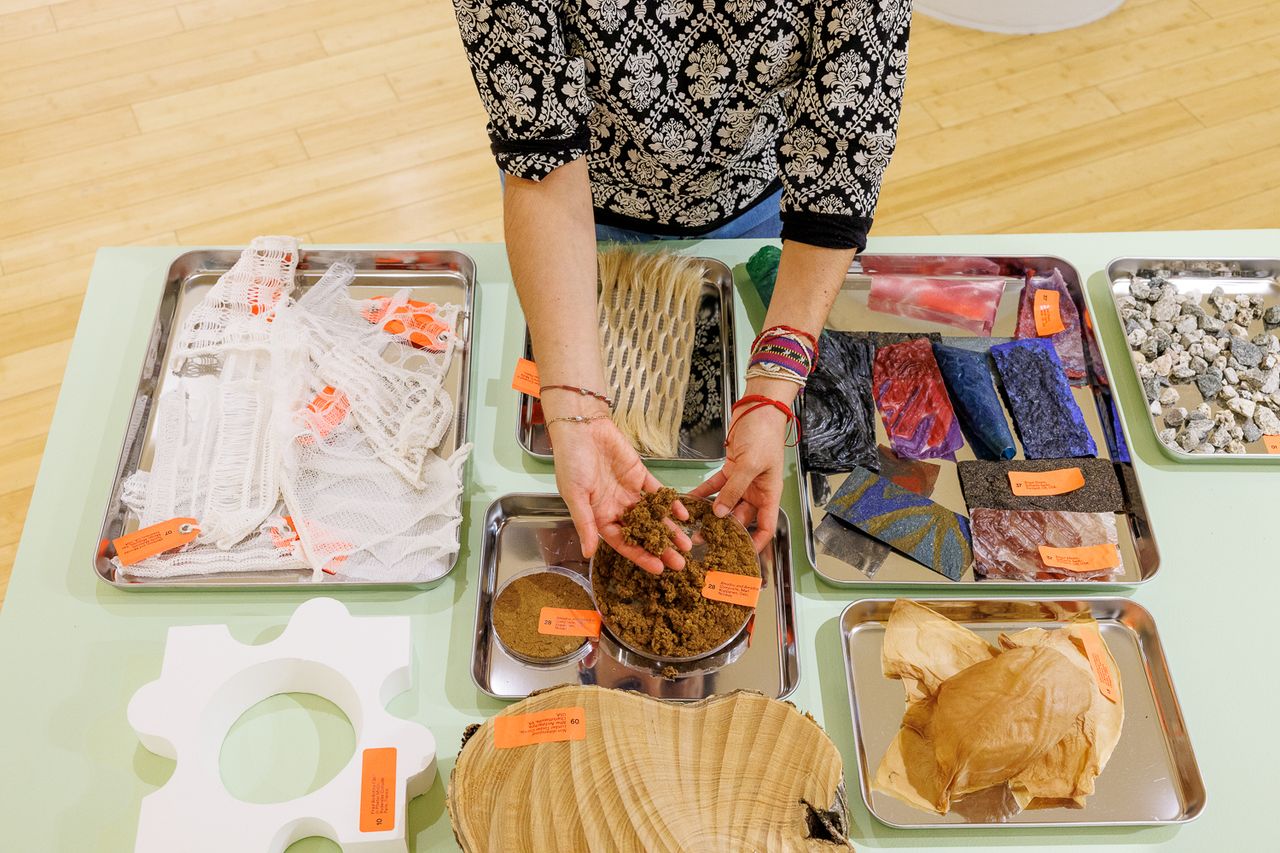
Many of the curatorial decisions behind the exhibition supported sustainable exhibition design. The lobby entrance to the exhibition became a space to reflect on exhibition-making as a material act by displaying all exhibition-related packages, shipping crates, and other ephemera that often gets discarded or hidden. Curators opted for off-the-shelf, reusable or recycled materials whenever possible.
The team used stud walls throughout, allowing the exhibition space to be divided into smaller zones while maintaining visual porosity. Didactics were printed on paper which was then taped to plywood, making everything fully reusable or recyclable. Plywood use was limited to only full or half sheets to support easy reuse as future building material. They also decided that all exhibition plinths could be reused from existing inventory. When possible, they chose reproducing and rebuilding works on-site over shipping, which also built production skills within the museum team. Lastly, they created a materials library sourced from an open call to practitioners across Southern California. This feature facilitated hands-on engagement and built community networks early on.
Additional Participation Highlights:
-
This was the institution’s second Climate Impact Report. They had previously completed one for Alicia Piller’s 2023 solo exhibition Within with the support of Artists Commit.
-
Hosted a weekend-long symposium for artists, architects, and designers to share their thoughts on sustainability and their practices and research.
-
Many collaborators hand-carried objects to the site rather than having to ship separately.
-
This was the institution’s first exhibition that exclusively involved artists, architects, and designers who have a dedicated history of environmental consciousness.
-
Staff restructured the work schedule to enable preparators to work fewer days (thereby reducing travel emissions) while still earning the same gross pay.
-
They developed new painting and packing techniques to minimize tape waste.
-
They set a goal to become entirely zero-waste over the next five years. As a result of introducing new approaches to exhibition design, waste from the next exhibition was limited to a single Solo cup of leftover material.
-
Craft Contemporary is now working with LHL to expand their PST ART exhibition CIR into a full year Greenhouse Gas Report for the institution.