This review takes stock of the iterative, evolving nature of Yvonne Rainer’s “magnum opus,” The Mind Is a Muscle (1966–68), based on an April 1968 presentation of the evening-length work at the Anderson Theatre. Don McDonagh characterizes the work as pluralistic, highly personal, engaged with the task-like manipulation of basic props, and invested in process over product. His judgment is ultimately negative, as he compares the overall effect to “the looks of an unorganized day,” but his observations are nevertheless an accurate portrayal of the means and aesthetics of Rainer’s contribution to experimental performance, process art, and postmodern dance, which her peers and later audiences would come to celebrate. Of note, the reviewer’s fixation on Rainer’s props getting in the way of “‘purer’ dance choreography” (the preferred element here) parallels the response of critics to John Cage’s theatrical use of everyday objects in his music compositions.
More ...
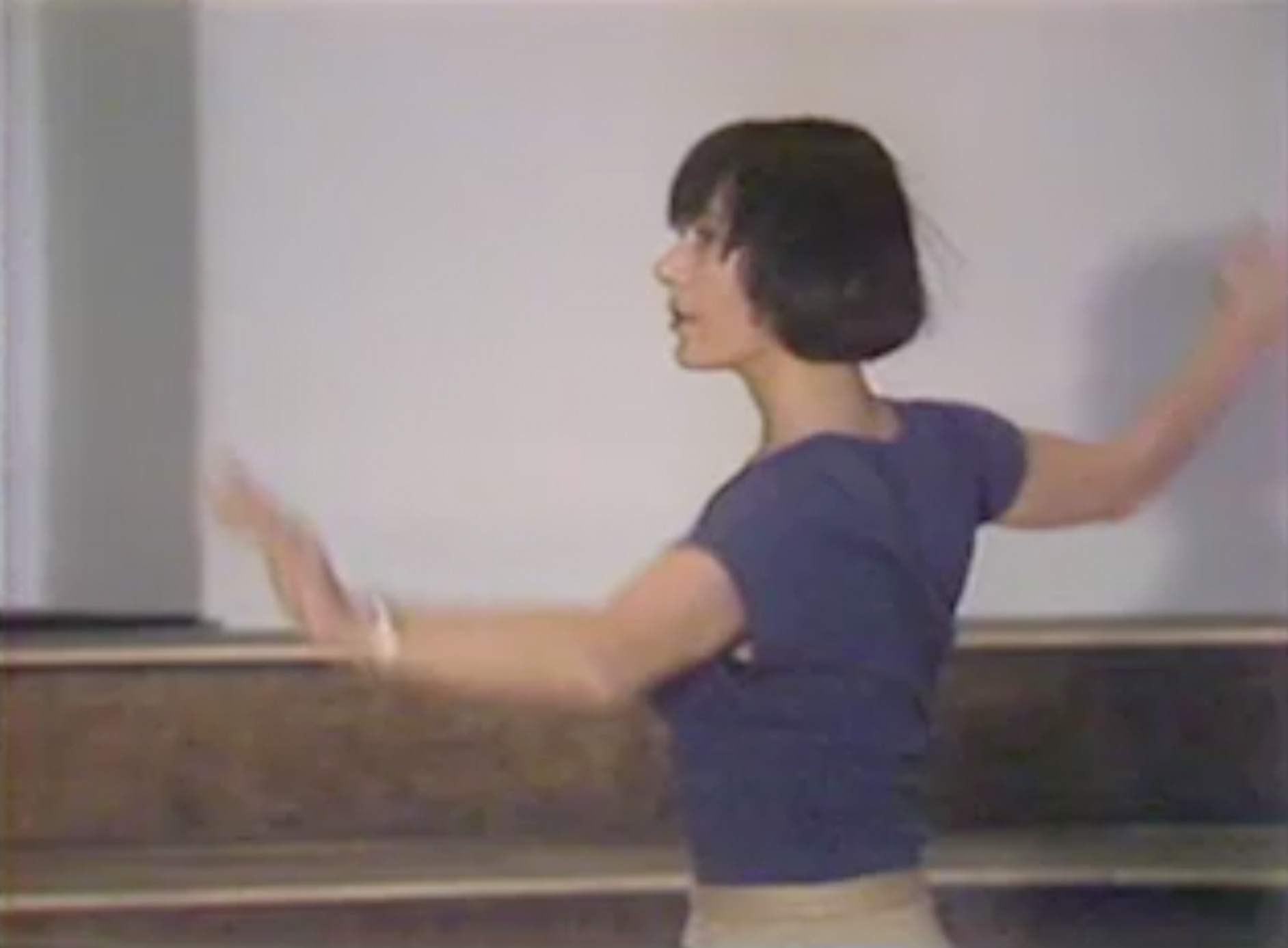
Trio A (1966) (April 1982)
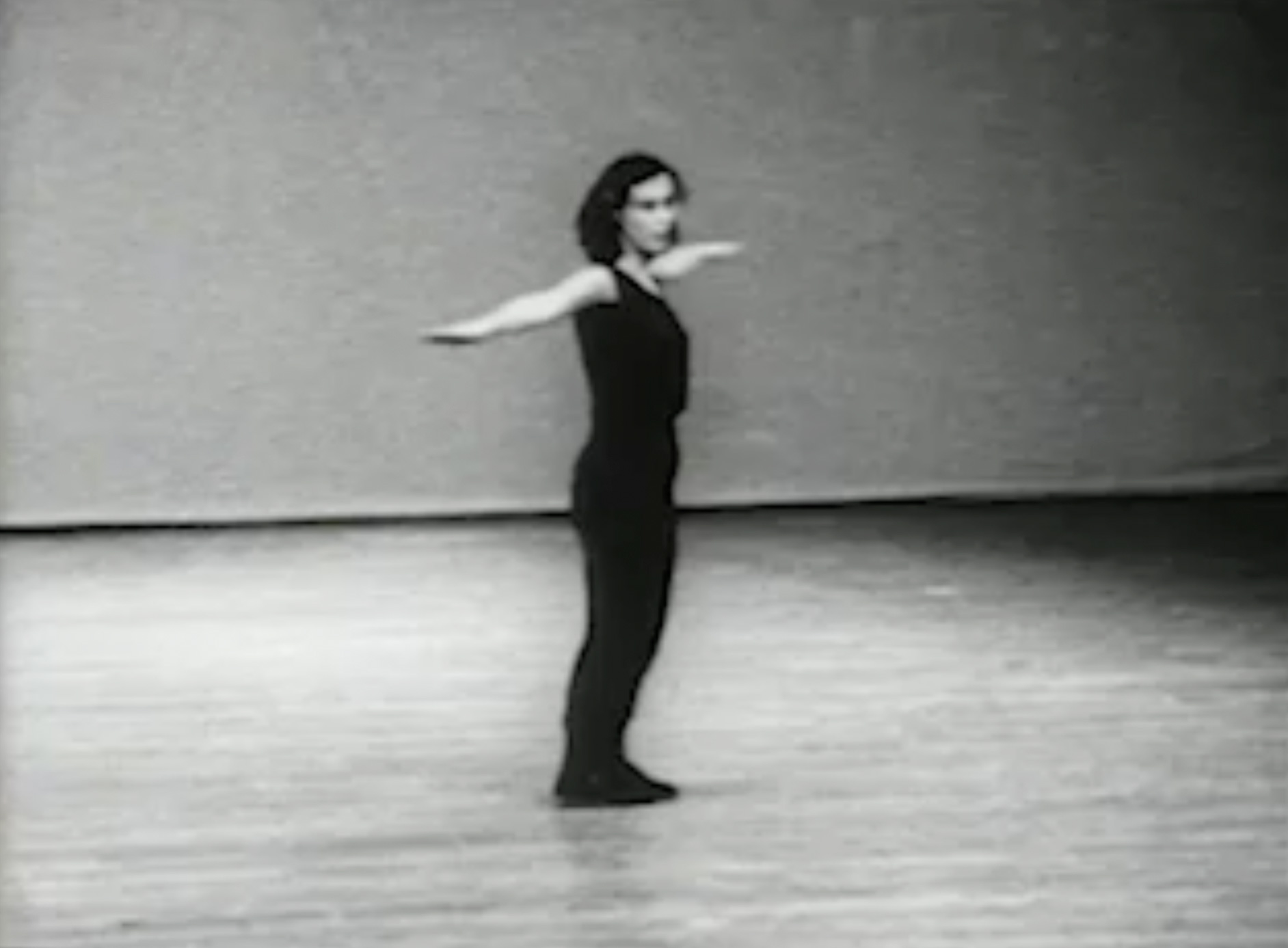
Trio A (1966), produced by Sally Banes
(1978)
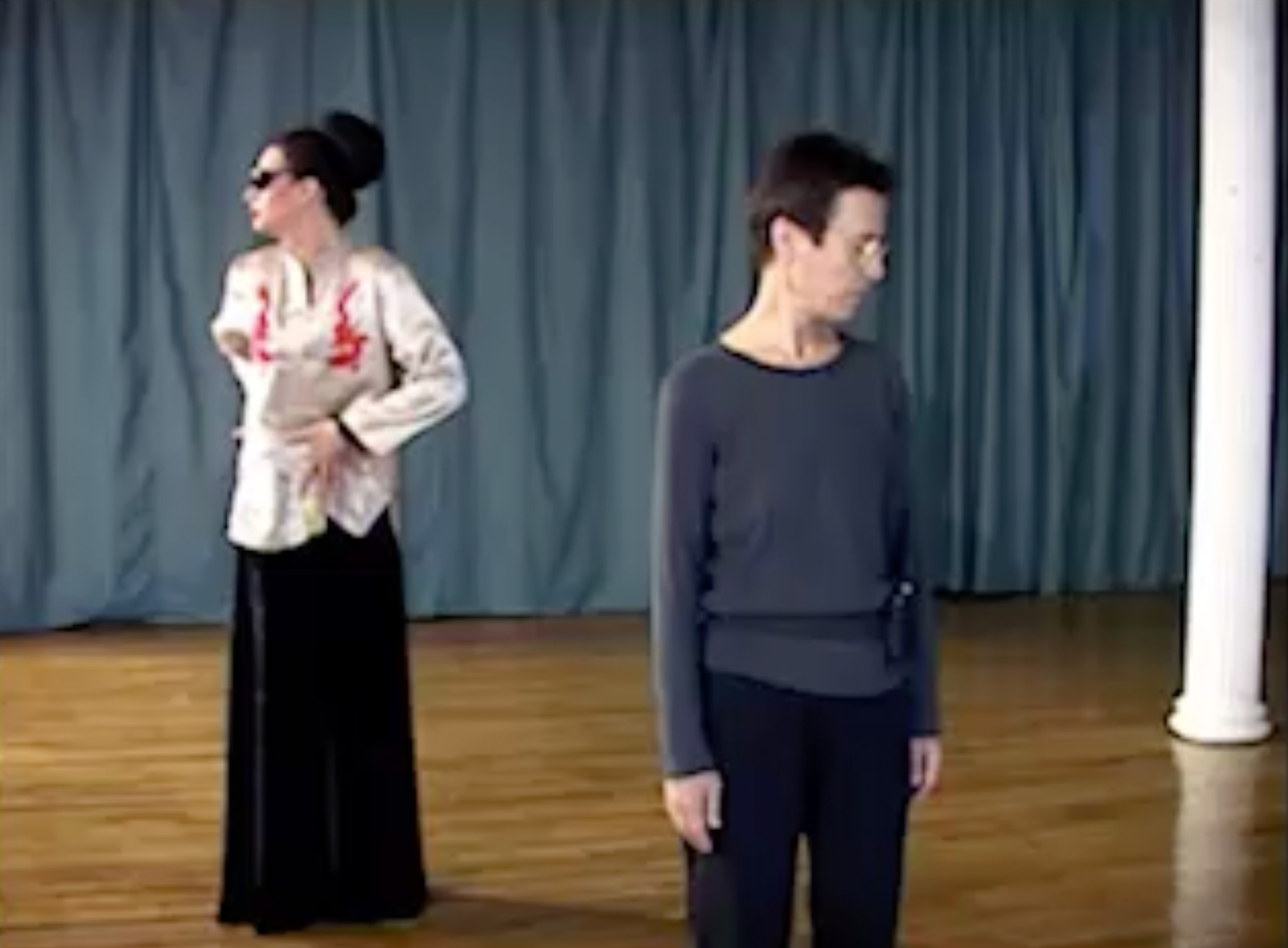
Yvonne Rainer attempting to teach
Trio A to Martha Graham, impersonated
by Richard Move in drag (excerpt from
Rainer Variations) (2001–2)
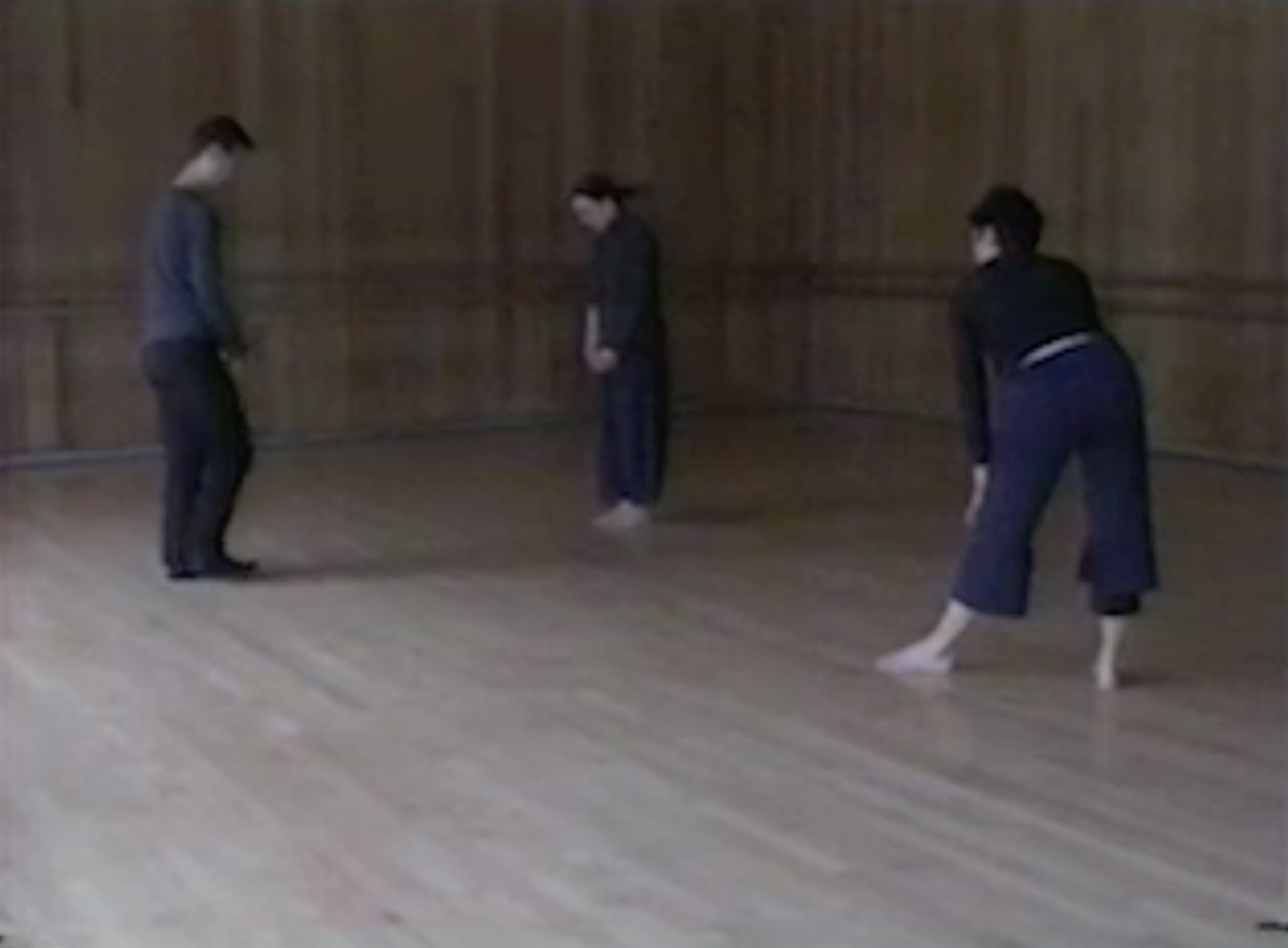
Cleaning of Trio A, Portland, Oregon
(2002)
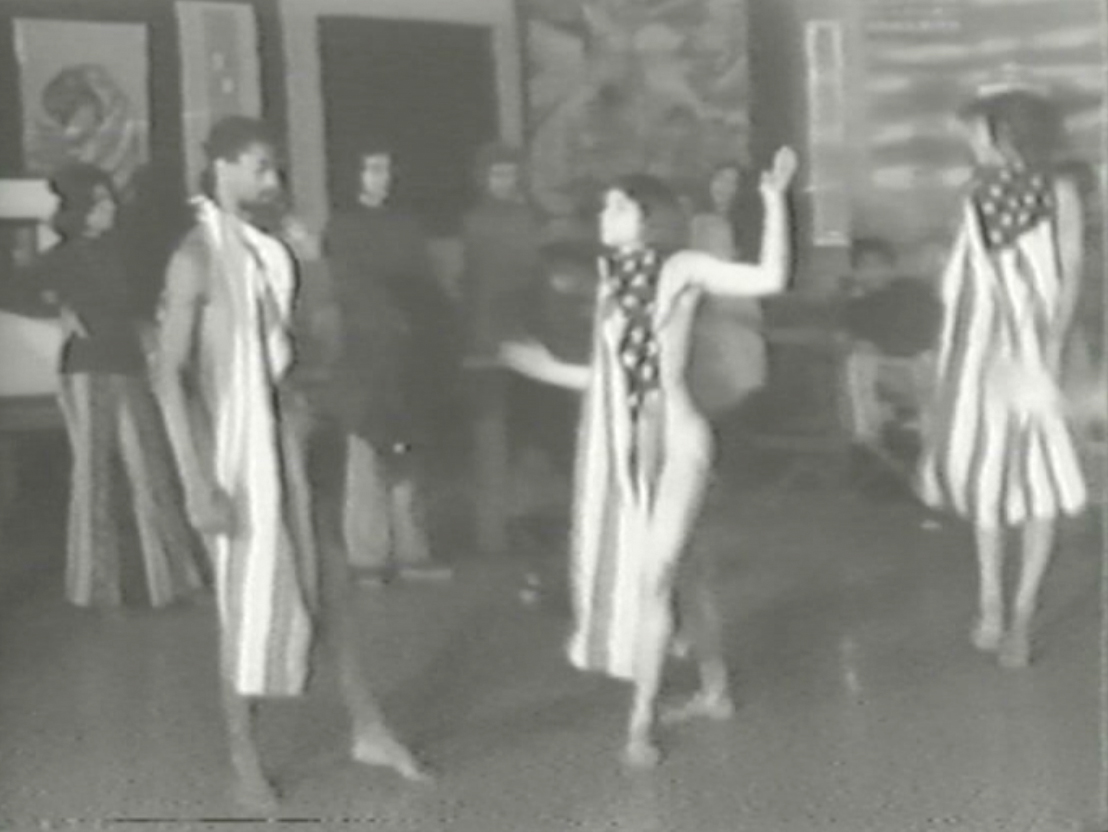
Trio A with Flags (1966), performed at
the opening of The People’s Flag Show,
Judson Memorial Church, New York, NY (9 November
1970)
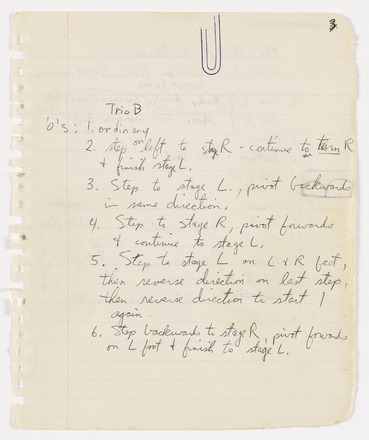
Notes, draft program, and cue sheets related to
The Mind Is a Muscle (1966–68),
including Trio A, Trio B, and
Mat (ca. 1966–68)
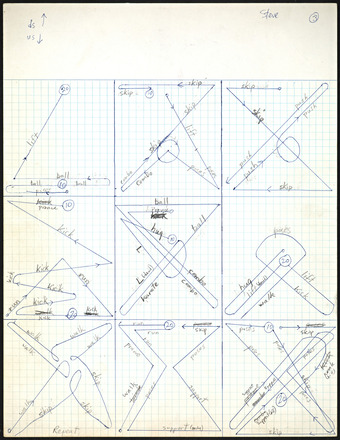
Graphic scores related to Film, from
The Mind Is a Muscle (1966–68) (ca.
1966–68)
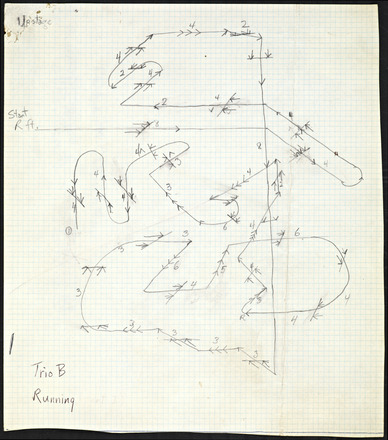
Graphic scores related to Trio B, from
The Mind is a Muscle (1966–68) (ca.
1966–68)
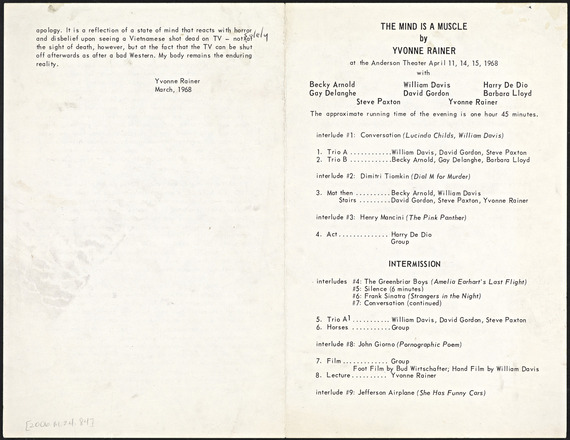
The Mind Is a Muscle concert program,
Anderson Theater, New York, NY (11, 14, 15 April
1968)
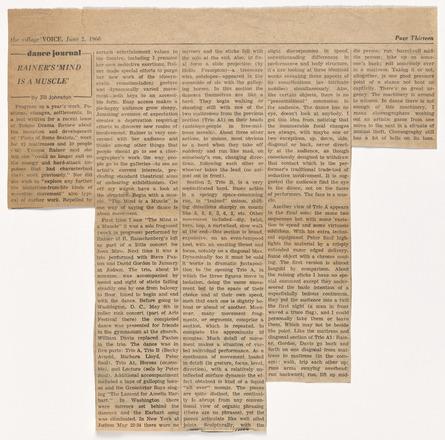
“Rainer’s ‘Mind Is a Muscle,’”
The Village Voice, 13 (2 June 1966)
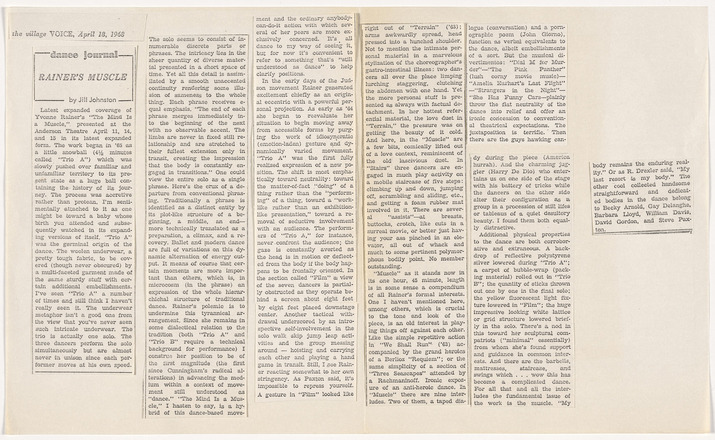
“Rainer’s Muscle,”
The Village Voice (18 April 1968)
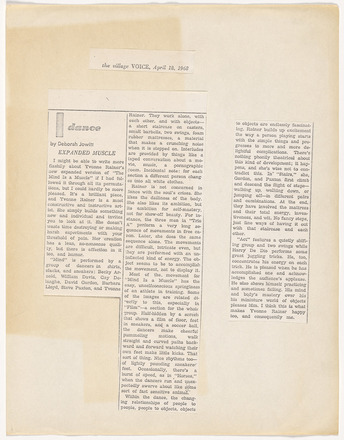
“Expanded Muscle,”
The Village Voice (18 April 1968)
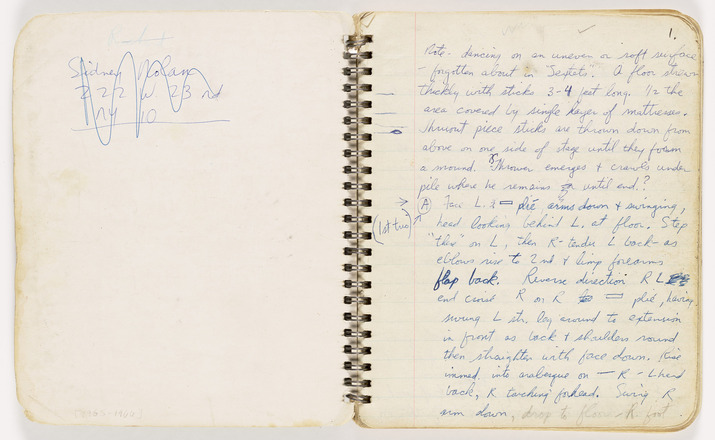
Notes related to The Mind Is a Muscle,
including Trio A and
Trio B (1965–66)
457
| Title | “Miss Rainer Offers ‘Mind Is a Muscle,’” New York Times |
| Maker | Don McDonagh (American, 1932–2019) |
| Date | 12 April 1968 |
| Type | press clipping |
| Location | Getty Research Institute, Yvonne Rainer Papers, 2006.M.24, box 22, folder 4 |
Related
Cite
McDonagh, Don. “Miss Rainer Offers ‘Mind Is a
Muscle,’” New York Times, 12 April 1968.
Getty Research Institute, Yvonne Rainer Papers,
2006.M.24, box 22, folder 4. In
The Scores Project: Experimental Notation in Music,
Art, Poetry, and Dance, 1950–1975, ed. Michael Gallope, Natilee Harren, and John
Hicks. Los Angeles: Getty Research Institute, 2025.
https://